Love For Christ & The Mystery of the Indwelling Presence of the Godhead
The Battle You Cannot See
There is a war being waged at this very moment that most people will never recognise because it is not fought in the visible world. It has no tanks, no trenches, and no uniforms. Its theatre of operations is the interior of the human being , the soul, the mind, the reasoning faculty , and its singular strategic objective is the erasure of one thing: the knowledge of God. The side that wins that battle determines not only the tenor of a man's earthly life but the eternal disposition of his immortal soul.
This essay draws on a teaching that brings together two questions that are, at their core, inseparable: What is the soul truly worth? And what is the soul's highest calling? The answer to the first question illuminates the stakes of the conflict. The answer to the second reveals both the nature of the warfare and its only viable resolution. Together, they form a theological vision of remarkable coherence and pastoral urgency: the soul, whose infinite value is disclosed by the cross of Christ, is destined for union with God, and the path to that union runs directly through the field of a noetic battle whose weapons are the knowledge of God on one side and every conceivable substitute for that knowledge on the other.
The argument developed here proceeds in several movements. First, it establishes the uniqueness of Christ as the chief modality of divine self-disclosure in the present age. Second, it examines the precise nature of the damage sin inflicts on the soul, particularly its capacity to perceive eternal realities. Third, it presents faith not merely as a virtue but as the restorative medicine of the fractured noetic faculty. Fourth, it opens the terrain of noetic warfare , what Paul calls casting down logismos , exposing Satan's enduring strategy to suppress the knowledge of God in the human soul. Fifth, it examines the temptation of Christ in the wilderness as the definitive template for spiritual victory. Sixth, it turns to Philippians 3 to establish Christ as the telos, the prize and goal, of the soul's entire pilgrimage. Seventh, it reads John 14:20–24 as the climactic disclosure: the indwelling of the Holy Trinity depends not on mystical attainment but on love expressed through the keeping of Christ's words. Finally, it considers the meaning of suffering endured for the name of Christ and the nature of the Eucharist as the memorial that sustains the soul in its warfare.
The central claim is this: the chief duty of man is to love God, and that love is not an abstraction but is demonstrated concretely in the retention, defence, and obedience to the knowledge of God as revealed in His Son and preserved in the written scriptures , a knowledge that Satan works ceaselessly to corrupt, suppress, and replace.
The Chief Modality of Divine Revelation
From the Prophets to the Son
The letter to the Hebrews opens with a declaration that constitutes one of the most theologically dense sentences in the New Testament: "God, who at sundry times and in divers manners spake in time past unto the fathers by the prophets, hath in these last days spoken unto us by his Son, whom he hath appointed heir of all things." (Hebrews 1:1–2) This sentence does not merely assert continuity between the two Testaments. It performs a modality shift. It announces that the prophetic office , however glorious, however indispensable, however varied in its expression , was always a provisional arrangement, a series of partial disclosures suited to a preparatory era. What has now arrived in the last days is not another prophet but the Son Himself: not one who conveys the message of God but one who is the message of God in His very person.
The prophets were, as the teaching puts it, icons of God's voice to humanity , echoes and mediators of the divine will, carrying revelation through their particular historical moments. But an echo, however faithful, is not the original sound. And in the fullness of time, the Father did not send a louder echo. He sent His Son. Solomon's proverb anticipates this: "Doth not wisdom cry? and understanding put forth her voice? She standeth in the top of high places, by the way in the places of the paths." (Proverbs 8:1–2) The voice of Wisdom calling at the gates of the city is not merely literary metaphor; it is prophetic figure. The life of the Son is the resounding voice of that Wisdom made flesh, walking among men, speaking not only words about God but constituting in His own person the fullness of what God desires to communicate.
This is not a small point. It means that if we want to understand God , if we want to know His will, grasp His character, perceive His intention for humanity , there is now one definitive reference point. Not many ways, but one. Not a plurality of competing voices to be weighed against one another, but the Son, who is "the image of the invisible God" (Colossians 1:15), the exact representation of the divine nature in human form. Everything that God wishes to say to the nations of men, He has said in His Son. And everything that we need to understand about the worth of our own souls, we discover by looking carefully at what the Father was willing to pay to redeem them.
The Soul, Its Value, and the Damage of Sin
The Infinite Worth of the Immaterial
Before one can understand the warfare of the soul, one must first reckon honestly with what is at stake. The teaching insists that the incarnation and crucifixion of Christ are, among other things, a theological statement about human worth. It is through the manifestation of Christ in the world of men , God becoming flesh, entering our suffering, bearing our condemnation , that we begin to understand how valuable the soul truly is. If God Himself, in the person of His Son, enters history to purchase a particular thing, that thing cannot be cheap.
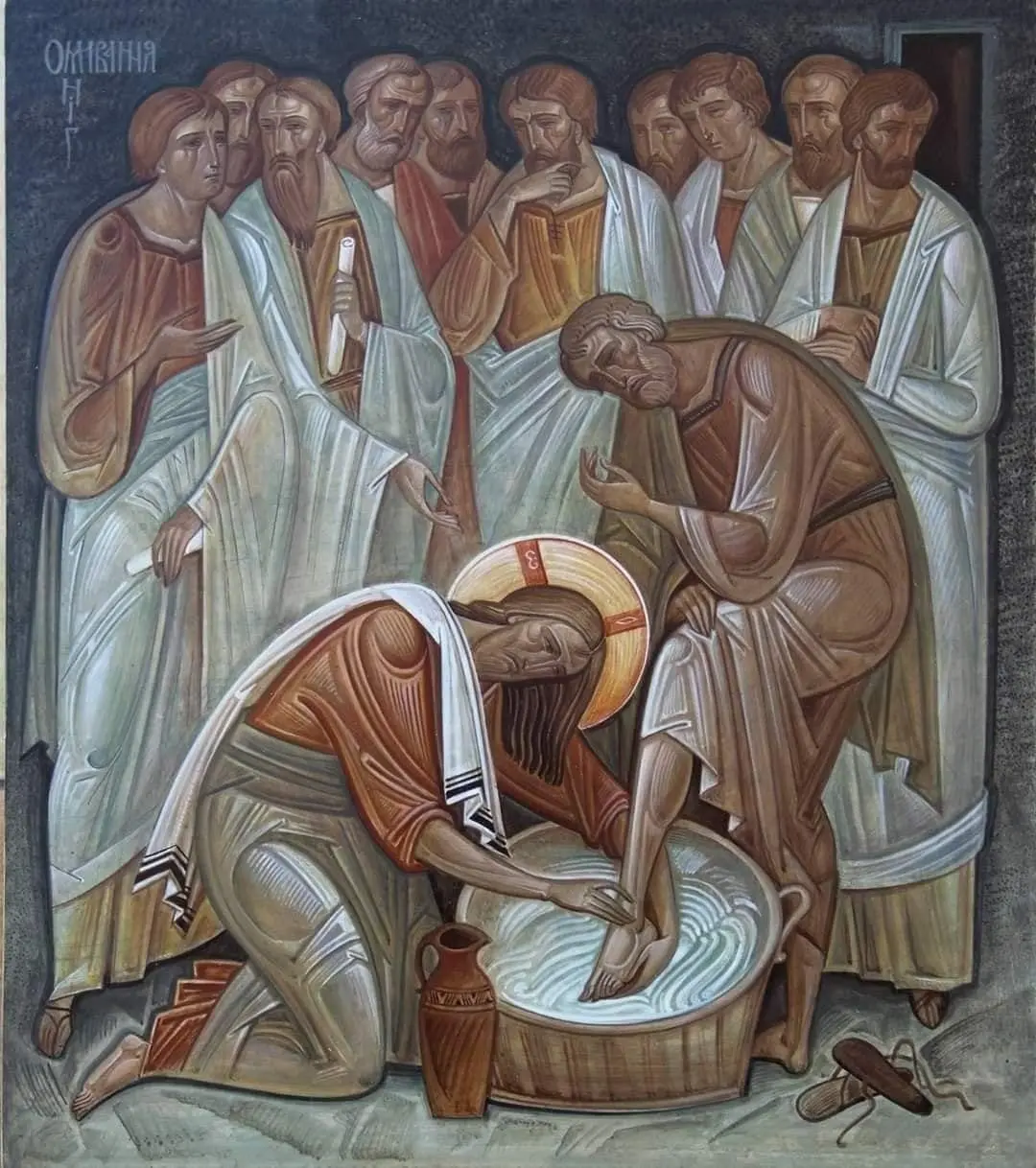
The contrast the teaching draws is instructive: Judas Iscariot priced the immortal Son of God at thirty pieces of silver, while an unnamed woman who was a sinner poured upon Him a vessel of ointment worth more than a year's wages, weeping at His feet. The gap between these two valuations is not merely economic; it is spiritual. It is the gap between a soul that has lost its capacity to perceive eternal worth and a soul that has been awakened to it. Judas's betrayal is, in microcosm, the story of every soul that trades the infinite for the transient , which is, as Jesus Himself frames it, the ultimate foolishness: "For what shall it profit a man, if he shall gain the whole world, and lose his own soul? or what shall a man give in exchange for his soul?" (Matthew 16:26)
Sin as the Fragmentation of the Soul's Perceptive Capacity
To understand why faith is necessary, one must first understand what sin has done. The teaching does not present sin primarily as the violation of a legal code , though it is that , but as a catastrophic injury to the soul's capacity to perceive God. Sin has done something structural to the human being: it has fragmented the soul. It has removed from the soul the remembrance of God. It suppresses the truth of His righteousness. It alienates man from his source, and a soul severed from its source is like a plant severed from its roots , it retains its form for a season, but its vitality is ebbing.
Before the Fall, man was capable of perceiving God and interrelating with Him with directness and freedom. That perceptive capacity , what the Greek patristic tradition calls the nousNousThe faculty by which the human person perceives God. Healed, it sees; darkened, it wanders., the spiritual intellect or eye of the soul , was undimmed, oriented upward, capable of receiving the light of divine reality. After the Fall, that capacity was veiled and broken. Man became, in the teaching's memorable phrase, sense-bound: so thoroughly immersed in and conditioned by the material world that his reasoning cannot ascend beyond what he perceives with his physical faculties. And since God exists beyond the material , since He "dwelleth in the light which no man can approach unto" (1 Timothy 6:16) , a man operating exclusively within sense-bound categories cannot reason his way to genuine knowledge of God.
This is why the teaching takes seriously the philosophical confusion of our present age regarding the origins of the cosmos. The argument is not merely that secular cosmology is mistaken (though the teaching implies as much), but that no human being was present at the creation of the world. "By faith we understand that the worlds were framed by the word of God, so that things which are seen were not made of things which do appear." (Hebrews 11:3) The only witness to what occurred before the existence of time and matter is the one who was there , the Creator Himself. Any reconstruction of origins that bypasses that witness is not science but assumption. Its confidence is inversely proportional to its epistemic justification. A multitude may affirm a falsehood, but the affirmation of a multitude does not transubstantiate falsehood into truth.
The fragmented soul, unable to perceive eternity, is left to reason about ultimate matters with broken instruments. The results are predictable: distorted cosmologies, vacuous philosophies, moralities untethered from their transcendent ground, and , most fatally , a self that has become the measure of all things precisely because it can no longer measure itself against the living God.
Faith as the Medicine of the Fractured Soul
What Faith Actually Does
Given this diagnosis, the prescription is precise. The teaching presents faith not merely as one Christian virtue among others but as the specific remedy for the soul's fundamental injury. Faith heals the limitations of the soul. Faith assists the soul in perceiving into eternity. Faith removes the veil , the shroud of spiritual darkness , that sin has drawn over the nous. This is why the author of Hebrews states not merely that faith is beneficial but that without it "it is impossible to please" God (Hebrews 11:6). The impossibility is structural, not merely moral. A soul without faith lacks the faculty by which it could perceive and respond to God at all. It is like attempting to see with closed eyes, not merely with weak ones.
The teaching offers a lucid self-examination: how is it possible to hold, without doubt, that Jesus of Nazareth is both fully God and fully man , uncreated God, not merely a man elevated to divine status, but God incarnate , when one did not witness His birth, His miracles, His resurrection? The answer is faith. Not the suspension of reason, but the elevation of reason. Faith does not ask us to think less rigorously; it provides the faculty by which we can think rightly about matters that are, by definition, beyond the scope of unaided human cognition. Enoch is the paradigm: "By faith Enoch was translated that he should not see death; and was not found, because God had translated him: for before his translation he had this testimony, that he pleased God." (Hebrews 11:5) His translation was the fruit of a life of faith , a life of sustained, directed, loving attention toward God, which eventually dissolved the boundary between the earthly and the eternal altogether.
The corollary is sobering: strengthening faith is more important than accumulating information. More data does not repair a broken soul. More sophisticated reasoning does not mend a noetic faculty that has been severed from its divine source. What mends it is faith , specifically, faith directed toward and grounded in the person of Jesus Christ, "the author and finisher of our faith" (Hebrews 12:2). Every effort to engage the eternal without this foundation will ultimately break against the glass ceiling of a fragmented soul.
The Noetic Battlefield: Casting Down Logismos
Paul's Military Theology of the Mind
The Apostle Paul, writing to the Corinthian church in his second letter, provides what amounts to a complete strategic analysis of the warfare that occupies every human soul. It is worth reading his words at length:
"For though we walk in the flesh, we do not war after the flesh: (For the weapons of our warfare are not carnal, but mighty through God to the pulling down of strong holds;) Casting down imaginations, and every high thing that exalteth itself against the knowledge of God, and bringing into captivity every thought to the obedience of Christ." (2 Corinthians 10:3–5)
The Greek word Paul uses for "imaginations" is logismos , reasonings, computations, the rational content of the mind as it processes and formulates its understanding of reality. Paul is not describing a war of bodies or armies or institutions. He is describing a war of ideas within souls. Specifically, it is the war between two bodies of knowledge: the knowledge of God and every competing knowledge that seeks to occupy the soul's reasoning in God's place.
The phrase "every high thing that exalteth itself against the knowledge of God" is architecturally precise. These high things are not mere distractions or temptations in the conventional sense. They are systems of thought, philosophical frameworks, ideological structures, and personal reasonings that have assumed a position of authority in the soul above the knowledge of God. The antichrist spirit , whose eschatological manifestation the teaching identifies with the Man of Sin who "exalteth himself above all that is called God, or that is worshipped; so that he as God sitteth in the temple of God, shewing himself that he is God" (2 Thessalonians 2:4) , is not merely a future political figure. He is the personification and culmination of a principle that has been at work in the human soul since Eden: the displacement of God's knowledge by a rival.
Satan's One Strategy
The teaching makes a striking claim about the fundamental unity of Satan's strategy across all of human history: whatever form the adversary's assault may take , temptation, accusation, depression, philosophy, persecution, seduction , the root operation is always the same. It is the suppression and replacement of the knowledge of God in the soul's logismos. Atheism achieves this by elimination; it removes God from the soul's reasoning altogether. Agnosticism achieves it by suspension; it holds the question permanently open, preventing commitment. Idolatry achieves it by substitution; it replaces the true God with a manageable counterfeit. Temptation achieves it by distraction; it occupies the soul's attention with a lesser good until the greater is forgotten. Despair achieves it by inversion; it reattributes God's character from goodness to indifference or malice, making Him the accused rather than the Redeemer.
The teaching observes, with disarming pastoral candour, that the signature of demonic oppression in the soul is precisely this inversion: that during periods of depression and spiritual assault, the thoughts produced are consistently anti-God. The projected burden of one's suffering falls not on the adversary who causes it but on the God who, in the distortion of the oppressed soul, is held responsible for it. This is not merely psychological observation; it is a discernment of the spirits. When the soul's sorrow reliably terminates in accusation against God, it is evidence that a warfare is underway , that something is working to break the soul's trust in and remembrance of its Creator.
The antidote is not therapy alone, nor is it merely improved circumstances. It is the retaining and elevating of the knowledge of God in the soul through faith. "Who is he that overcometh the world, but he that believeth that Jesus is the Son of God?" (1 John 5:5) The question is rhetorical. The answer is: only he who holds fast, in the face of every contrary reasoning, to the confession that Jesus is Lord.
The Temptation of Christ: The Template for Every Victory
The Wilderness as Theological Laboratory
No passage in the teaching carries more strategic weight than the extended meditation on the temptation of Christ in the wilderness. This episode , recorded in Matthew 4 and Luke 4 , is presented not merely as an event in the biography of Jesus but as the definitive pedagogical moment in which the Son of God demonstrates, once for all, the method by which the noetic warfare is won.
The setting is significant. Jesus has just been baptised in the Jordan. The heavens have opened. The Holy Spirit has descended upon Him in the form of a dove. The Father's voice has spoken audibly: "Thou art my beloved Son, in whom I am well pleased." (Luke 3:22) This divine declaration is not merely an affirmation of identity; it is a deposit of knowledge , the knowledge that Jesus is the Son of God , placed into the soul of the Son of Man for the purpose of His earthly ministry. It is this deposit that Satan immediately sets out to contest.
The tempter's opening gambit , "If thou be the Son of God, command that these stones be made bread" (Matthew 4:3) , is a masterwork of noetic subversion. The word "if" does not express genuine uncertainty; it implies it. It is the same rhetorical tactic deployed against Eve in the Garden: "Yea, hath God said?" (Genesis 3:1). The strategy is not to present an alternative argument but to introduce a seed of doubt about the reliability of the divine word already spoken. In Eden, the tactic succeeded because Eve had received the commandment at second hand, through Adam, and her relationship to the original divine speech was indirect. With Adam, the tactic would likely have failed , he had heard God directly. It is a feature of Satan's cunning that he chooses to contest knowledge at its point of greatest vulnerability.
With Jesus, the assault is designed to accomplish two things simultaneously: to question the Father's declaration ("If you really are the Son, prove it by performance") and to redefine the ground of sonship from divine gift to human achievement. If Jesus is the Son of God because the Father said so, then His identity rests on the Father's word. If He is the Son only insofar as He can demonstrate it on the adversary's terms, then the Father's word is insufficient and Satan has already won the argument.
The Sufficiency of Scripture
What Jesus does in response is as instructive as what He does not do. He does not appeal to the Jordan. He does not say: "I heard the Father speak; I have the testimony of that experience." He could have. The experience was real. The voice was audible. The Spirit's descent was visible. And yet He sets the experiential testimony aside , not to diminish it, but because He has access to something more ancient, more settled, and more universally authoritative than any single moment of personal encounter.
"It is written, Man shall not live by bread alone, but by every word that proceedeth out of the mouth of God." (Matthew 4:4, citing Deuteronomy 8:3)
Three times the tempter assaults, and three times Jesus responds with the same phrase: "It is written." The written scriptures , composed thousands of years before the Jordan, preserved through prophets who had no knowledge of this specific wilderness encounter , are elevated by the Son of God Himself as sufficient ground for the defeat of Satan. Jesus does not merely cite the scriptures as one authority among others; He treats them as the decisive and final word, requiring nothing supplemental. In doing so, He makes a claim about the nature of scripture that has enormous pastoral consequence: it is not deficient. It does not need to be augmented by experience, supplemented by tradition, or made more credible by signs. It is written. And what is written is enough.
The implication is liberating and demanding simultaneously. Every temptation that assaults the human soul is answerable through the written word of God. The weapons of our warfare are not carnal, as Paul says , they are not cleverness, reputation, or even spiritual experience. They are the scriptures: the ancient, written, prophetic testimony to the character and will and purposes of God. Every mental stronghold, every entrenched logismos that has taken up residence in the soul against the knowledge of God, can be pulled down , not by superior argumentation, but by the weapon that Jesus Himself employed and declared sufficient: "It is written."
Christ is the Telos of the Soul
Paul's Radical Accounting
Having established what the warfare is and how it is won, the teaching turns to the question of why the fight is worth having , what the prize is for which the soul enters the arena of life and endures all its afflictions. The answer comes from Philippians 3, where the Apostle Paul performs a breathtaking act of theological accounting:
"But what things were gain to me, those I counted loss for Christ. Yea doubtless, and I count all things but loss for the excellency of the knowledge of Christ Jesus my Lord: for whom I have suffered the loss of all things, and do count them but dung, that I may win Christ." (Philippians 3:7–8)
Paul is not speaking rhetorically. He lost his social standing, his religious credentials, his former community, his physical safety, and eventually his life. And his assessment of these losses, rendered from inside them, is that they are not losses at all when weighed against what was gained: Christ. Not merely knowledge about Christ, but Christ Himself , "that I may win Christ, and be found in him, not having mine own righteousness, which is of the law, but that which is through the faith of Christ, the righteousness which is of God by faith." (Philippians 3:8–9)
The teaching unpacks the logic of this with precision. Christ is not one good among many goods, to be weighed alongside health, prosperity, relationship, and reputation. He is the only eternal thing. Everything else that the human being accumulates in this life , every achievement, every relationship, every pleasure , will be surrendered at death. "We brought nothing into this world, and it is certain we can carry nothing out." (1 Timothy 6:7) But Christ , or more precisely, the union with Christ that faith and love and obedience produce , is eternal. He is, therefore, the only investment that cannot be lost, the only wealth that cannot be inflated away, the only prize that survives the fire of divine judgement.
Suffering Reframed
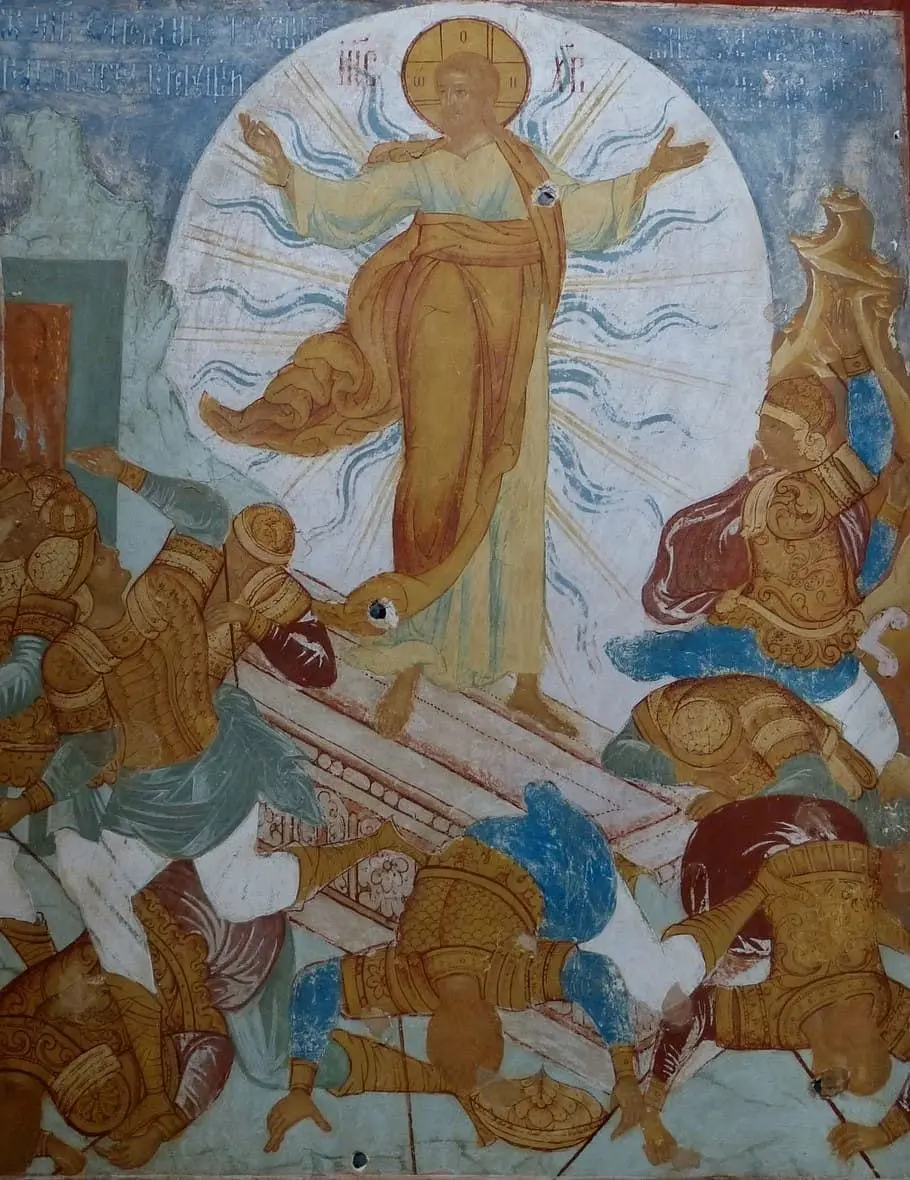
This is why the teaching can speak of suffering not as an obstacle to the good life but as a participation in the life of Christ. "That I may know him, and the power of his resurrection, and the fellowship of his sufferings, being made conformable unto his death." (Philippians 3:10) Conformity to the death of Christ is not a morbid aspiration; it is the mechanism of the resurrection. The soul that enters into Christ's suffering , not suffering for its own sins but suffering for righteousness' sake, for the name and confession of Jesus , is following a path blazed by the Son Himself and guaranteed to end in the same place His path ended: victory over death.
The teaching draws the distinction sharply between two kinds of suffering. There is suffering that arises from one's own folly and sin , the consequences of bad choices, unwise actions, moral failure. This suffering contains no inherent glory; its proper response is repentance and correction. But there is another kind of suffering: the friction and conflict that arise not from one's failures but from one's faithfulness. When a man is maligned not because he did wrong but because he confessed Christ; when a woman is persecuted not for her faults but for her holiness; when the ordinary miseries of the Christian life in a hostile world are the direct result of one's identification with the Son of God , this suffering is of a different order entirely. "If ye be reproached for the name of Christ, happy are ye; for the spirit of glory and of God resteth upon you." (1 Peter 4:14)
The Apostle Peter makes the remarkable pastoral statement that to suffer for being a Christian is not a misfortune to be escaped but a dignity to be honoured. The spirit of glory rests upon the one who bears the marks of Christ's cross not as an ornament but as a wound. And the Beatitudes establish the eschatological ground of this: "Blessed are ye, when men shall revile you, and persecute you, and shall say all manner of evil against you falsely, for my sake. Rejoice, and be exceeding glad: for great is your reward in heaven: for so persecuted they the prophets which were before you." (Matthew 5:11–12)
Love is the Criterion of Indwelling
John 14: The Architecture of Divine Habitation
The teaching reaches its devotional apex in Jesus' words recorded in John 14:20–24. Here, the Lord discloses the precise relational architecture by which the Holy Trinity takes up residence within a human soul, and it is far simpler , and far more demanding , than any mystical protocol might suggest.
"He that hath my commandments, and keepeth them, he it is that loveth me: and he that loveth me shall be loved of my Father, and I will love him, and will manifest myself to him." (John 14:21)
Three verbs define the geometry of this love. To have the commandments is to possess them within the soul , to hold them in memory, to know them, to carry them as a living deposit. To keep them carries in the Greek a military connotation: to stand watch over, to guard, to protect, to prevent from being taken. The soul that loves God is the soul that not only receives His words but treats them as a garrison holds a fortress , defending them against every assault, every erosion, every substitution.
This is not legalism. Jesus is not saying that obedience earns love. He is saying that love produces obedience, and that this obedience is the observable signature by which the love of the soul for God can be distinguished from mere sentiment. Sentiment says "I love God" and yields when challenged. Love , genuine, ordered, faithful love , holds the word of God in place when every other force urges its abandonment. Adam had the commandment of God and did not keep it. He did not defend it. When the serpent challenged it, he yielded, and the soul of man fell. The connection the teaching draws is pointed: Adam did not truly love God, because if he had loved God, he would have kept the commandment. The entrance into life , into immortality, into joy, into authentic abundance and peace , is conditioned on loving God, and loving God is demonstrated in the keeping of His words.
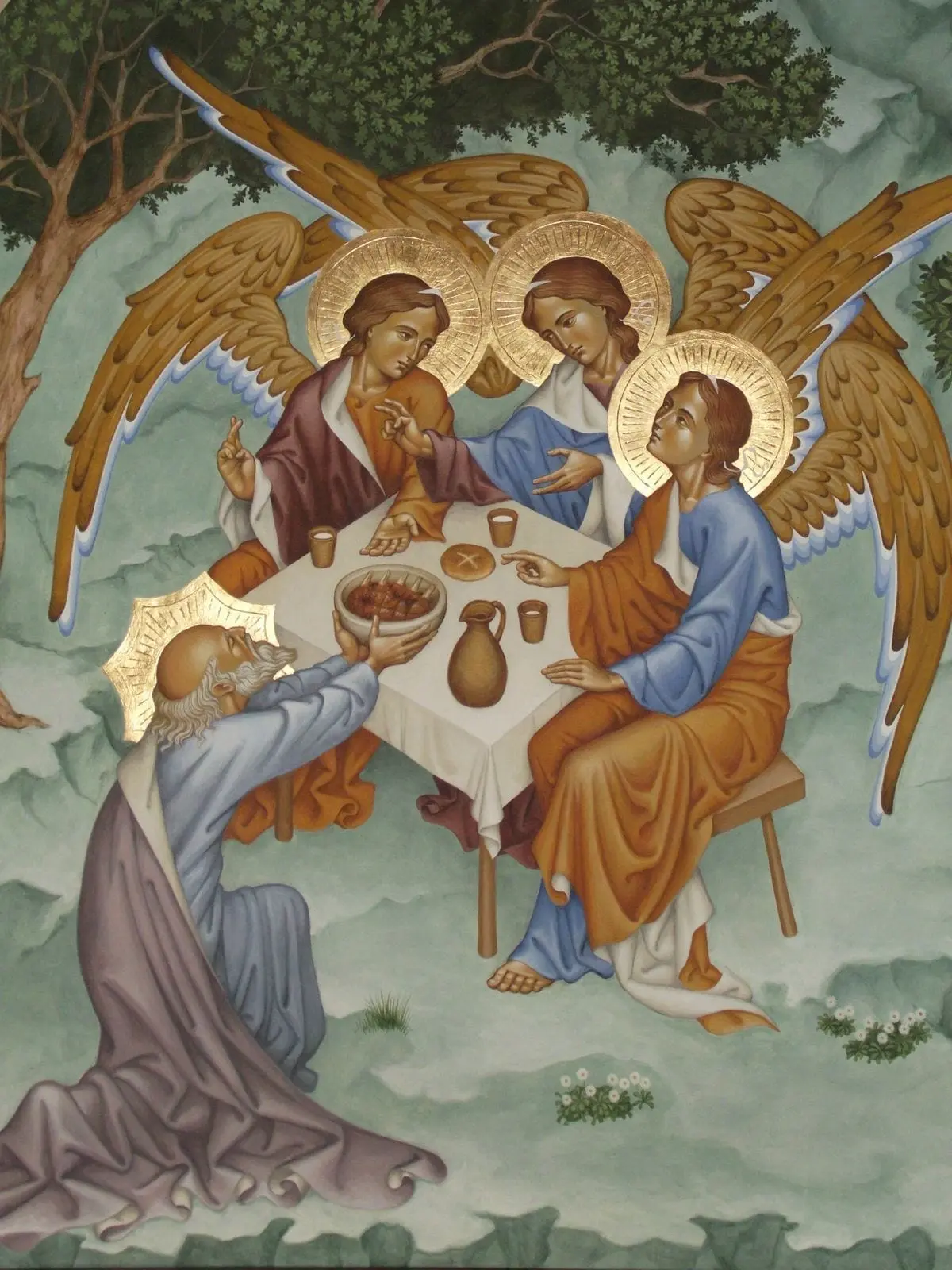
When a disciple named Judas (not Iscariot) asks how it is that Christ will manifest Himself to His disciples and not to the world, Jesus answers by expanding the promise: "If a man love me, he will keep my words: and my Father will love him, and we will come unto him, and make our abode with him." (John 14:23) The pronoun shifts from "I" to "we." It is the Holy Trinity , Father, Son, and Holy Spirit , who make Their abode, Their dwelling place, within the soul that loves God through the keeping of His word. This is not a future eschatological promise alone; it is a present reality available to the obedient soul in this life. And it is the deepest possible statement of what the soul is worth: it is capable of becoming the dwelling place of the uncreated God.
Paul captures the scale of this in Ephesians 3, praying that the saints would "be able to comprehend with all saints what is the breadth, and length, and depth, and height; and to know the love of Christ, which passeth knowledge, that ye might be filled with all the fulness of God." (Ephesians 3:18–19) A God-filled man, the teaching draws out, is necessarily a lover of God and a keeper of His words. The fullness of God does not inhabit an indifferent soul. It inhabits a loving one.
The Eucharist: Memorial, Mystery, and Medicine of Immortality
The Body and Blood as Spiritual Warfare
The teaching closes with the celebration of the Eucharist, and it is fitting that it should, for the communion of the body and blood of Christ is not incidental to the themes developed throughout , it is their sacramental crystallisation. In the Eucharist, the soul remembers what God has done in Christ, presents that memorial before the Father as a spiritual offering, and receives back the life of Christ into itself as nourishment for the warfare.
The teaching draws a connection between the Mosaic instruction that healed lepers were to offer fine flour to the priest as a prescribed offering and the Eucharistic bread. Jesus Himself directed those whom He healed to "offer the gift that Moses commanded, for a testimony unto them." (Matthew 8:4) When the implications of this are pursued, the fine flour , the substance offered for the healing of the leper's defilement , anticipates the bread of the Eucharist, which is the body of Christ. In presenting the body of His Son as the offering for humanity's healing and salvation, the Father approved our redemption. The Eucharist is, therefore, the ongoing appropriation of that approval , the regular act by which the soul re-presents Christ's sacrifice, aligning itself again with the reality of what He accomplished, and receiving in return strength for the continued warfare.
The Eastern Christian tradition has spoken of the Eucharist as the medicine of immortality, a phrase attributed to Ignatius of Antioch, and this is entirely consonant with the theology of the teaching. A soul weakened by the assault of the adversary, depleted by the warfare of the logismos, finds in the Eucharist not merely commemoration but real renewal , the infusion of the life of Christ into the substance of the believer's being. The prayer offered over the elements asks that through the blessing and consecration of the Holy Spirit, what the communicant receives will produce, not weakness but strength, not death but life, not sickness but healing. The body and blood of Christ are the soul's provision for the journey, the bread for the wilderness, the sustenance without which the warfare cannot be sustained.
The Soul That Holds Fast
We return, at the end, to where we began: the soul at war. The war is not against flesh and blood, and its most dangerous casualties are invisible. A man may appear entirely whole by every outward measure while his soul has been steadily evacuated of the knowledge of God through years of accumulated logismos , through the subtle enthronement of lesser knowledges, through the erosion of faith by unchallenged doubt, through the slow replacement of the living God with the manageable gods of comfort, reputation, and self-sufficiency.
Against this, the teaching sets a vision of the human being at its most fully alive: the soul that loves God. That soul is not characterised primarily by spectacular religious experience or by the accumulation of spiritual credentials. It is characterised by a single, durable, daily act: the retention and defence of God's knowledge in the face of every challenge to its authority. It hath his commandments. It keepeth them. It says, with Jesus in the wilderness, in the face of every assault on the integrity of the divine word: "It is written." And it is willing, with Paul, to count all things loss for the excellency of the knowledge of Christ Jesus , not as a theoretical concession but as a lived, embodied willingness to lose everything that is temporal in the pursuit of the one thing that is eternal.
Moses endured as seeing Him who is invisible (Hebrews 11:27). That is the stance of the soul that has been healed by faith: not sight, but endurance in the direction of the invisible , an endurance sustained by the conviction that what faith perceives is more real, more permanent, and more valuable than everything the senses confirm. Moses left Egypt, the most powerful civilisation of his age, not because he was compelled by external force but because he had calculated , with the precise and unerring arithmetic of faith , that it was better to suffer affliction with the people of God than to enjoy the passing pleasures of sin.
That calculus is the inheritance of every soul that, by faith, has apprehended Christ. The world will present its arguments. The adversary will raise his logismos. Depression will attribute the hardships of faithfulness to the cruelty or absence of God. The tempter will arrive in moments of depletion and say: "If you really are a child of God, why does your life look like this?" And the answer , the only sufficient and victorious answer , is the same one Jesus gave in the wilderness: "It is written."
The crown of life is promised to those who remain faithful unto death (Revelation 2:10). It is not promised to those who avoid difficulty, nor to those who never doubt, nor even to those who never fail. It is promised to the ones who, whatever may befall them, return again and again to the Father's house , who refuse to let the knowledge of God be extinguished in their souls, who hold fast the confession of their faith, who love God enough to keep His words.
For God is the goal of the soul. Love is the duty of the soul. And Christ , bruised for our iniquities, wounded for our transgressions, risen for our justification , is the prize.
Based on the teaching: Love For Christ and the Mystery of the Indwelling Presence of the Godhead