The Mystery of the Holy Trinity as a Template for Understanding Human Life and Achieving Spiritual Perfection
The Question Behind Every Fall
There is a question that lies beneath every act of human disobedience, every moral collapse, every fracture in relationship, and every departure from the will of God. It is not, at its deepest level, a question about sin , for sin is the symptom. It is not a question about weakness, ignorance, or circumstance , for these are the occasion. The question is far more ancient, far more structural, and far more personal: why does a man who knows what God commands, who has been warned of the consequences of transgression, who has been furnished with every divine endowment, still choose the path of disobedience? The answer to that question is the subject of this essay.
The teaching on which this essay is based makes a theological claim that is at once simple and profound: the motivating factor for total obedience to God is love , and its absence is the sufficient cause of every human fall. This is not a sentimental assertion. It is a carefully argued thesis drawn from a comparative study of the first and second Adam, grounded in the mystery of the Holy Trinity, and anchored to the words of our Lord Jesus Christ in the fourteenth and fifteenth chapters of the Gospel of John. The argument moves through several distinct but interrelated claims: that the inner life of the Godhead provides the archetype for all genuine human existence; that love is the constitutive bond of that inner life; that man, made as the icon of God, is therefore sustained or ruined in proportion to the presence or absence of love; that Adam's fall was not merely a moral failure but an ontological disclosure of lovelessness; and that Jesus Christ, as the second and last Adam, reveals by the quality of his life and his agonised submission in Gethsemane what the first Adam entirely lacked.
The implications of this argument are neither abstract nor merely devotional. They reach into the structure of marriage, the interior life of prayer, the discipline of repentance, the practice of the sacraments, and the ultimate eschatological destiny of the human person. To understand love as the divine principle that unifies the Trinity and must therefore unify man is to understand what the Christian life is fundamentally about, and why no programme of moral reform, spiritual technique, or religious activity can substitute for the one thing that God commands above all else: to love him with the totality of one's being, and to love one's neighbour as oneself.
The Ontology of the Godhead and the Mystery of Love
The Uncreated Essence
Any serious theological engagement with the question of human obedience must begin, as the teaching does, with the nature of God himself , not as an exercise in abstraction, but because the nature of God is the ground from which the nature of man proceeds. The first and most fundamental claim is this: God is uncreated. He is not a specimen of creation, not a consequence of any prior cause, not derived from any antecedent condition. Every other being in the cosmos , however majestic, however ancient, however immense , is causally dependent. It exists because of something. It comes from somewhere. Creation in all its grandeur is radically contingent. God alone is not.
This distinction , between the uncreated God and all created things , is what theologians in the Eastern tradition call the ontological gulf. God is ontologically other. His essence, his nature, his very being is underived and self-subsistent. He has no origin outside himself. Now, it might seem that such a claim about divine transcendence leads us away from the practical matter of human obedience. In fact, it leads us directly into it. For if man's nature proceeds from God , if man is, as Scripture declares, made in the image and likeness of God , then man is a derived being carrying within himself the imprint of an underived original. He is, in the language of the teaching, not merely an analogy of God but an icon of God. And like all icons, he can only be properly understood in relation to the prototype he represents. To understand the original is to understand the icon. To study God is therefore to study man.
This is why Peter writes in his second epistle that grace and peace are multiplied through the knowledge of God and of our Lord Jesus Christ (2 Peter 1:2). The knowledge of God is not a luxury for the spiritually advanced. It is the essential nutrient of human flourishing. The less a man knows of God, the less he understands himself, and the more disordered his life becomes. Conversely, as a man's knowledge of God deepens, his humanity is progressively restored, aligned, and perfected. Theology, rightly understood, is not an academic discipline for specialists. It is the science of human becoming.
Three Persons, One Essence: The Inner Life of the Trinity
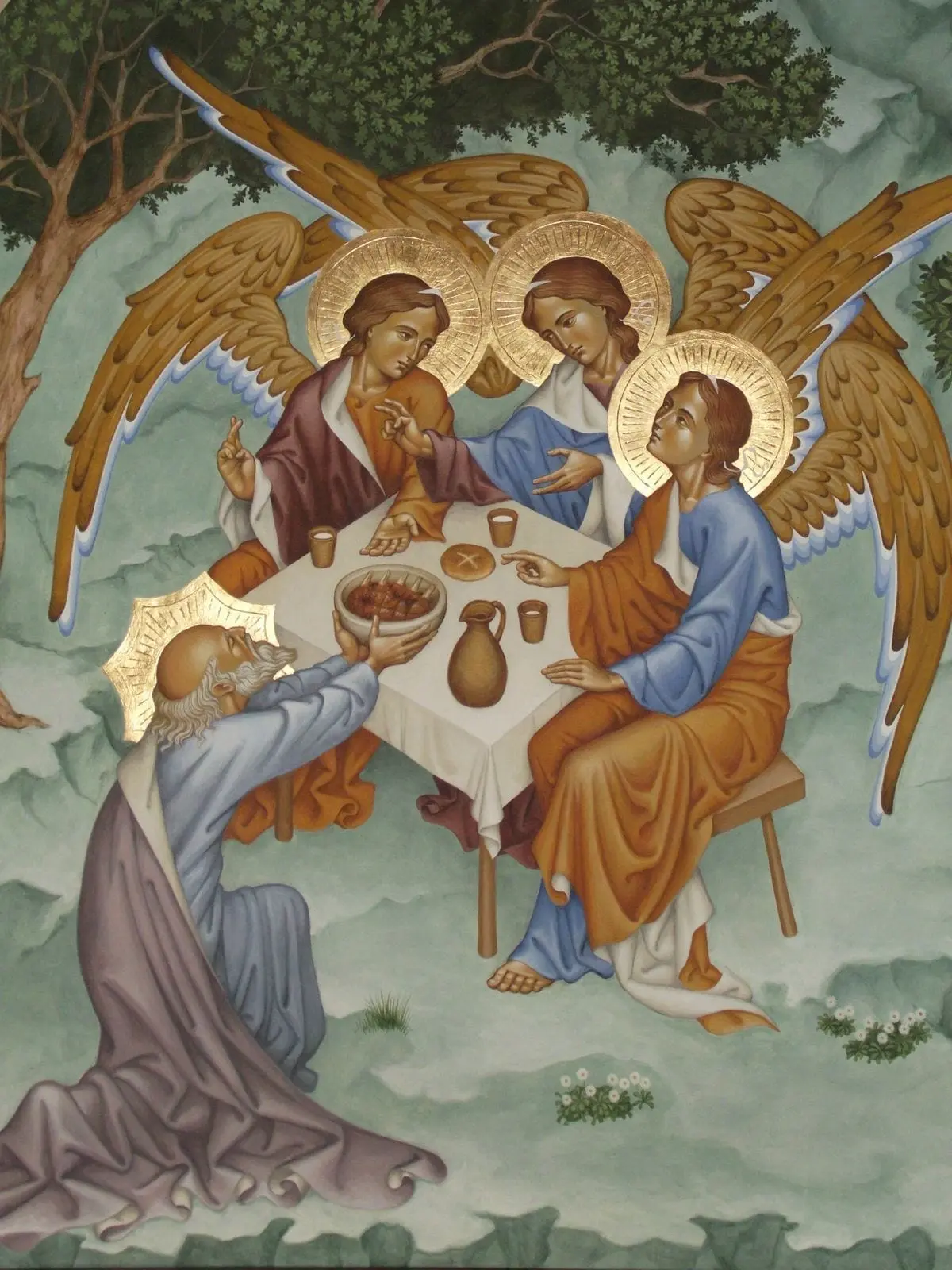
Within the being of God, Scripture and Tradition together reveal a mystery of unparalleled depth: God is one, yet he is three distinct persons. The declaration of Deuteronomy 6:4 , "Hear, O Israel: The LORD our God is one LORD" , does not contradict the Trinitarian witness of the New Testament; it declares the unity of essence within which three distinct persons subsist. The Father is not the Son; the Son is not the Holy Spirit; the Holy Spirit is not the Father. They are genuinely, irreducibly distinct as persons. Yet they are one God, because what they share , the divine essence, the divine nature , is singular and undivided.
The theological precision required here is not mere scholastic pedantry. It matters enormously for what follows. The persons of the Godhead are distinguished not by difference of essence but by their relational properties and modes of procession within the divine life. The Son is eternally begotten of the Father , not created, for a created son would not be God, and the essence shared between Father and Son admits of no creation , but generated from the Father in a manner that transcends temporal causality. The Holy Spirit proceeds from the Father. These are distinctions of relation, not distinctions of being. And it is precisely this structure , distinct persons within a single, undivided essence , that makes the Trinitarian mystery both the most profound and the most practically instructive reality in Christian theology.
For the question that now presents itself is this: what holds these three persons together? What is the principle of their eternal, unbroken unity? What has kept the Godhead in perfect harmony throughout all of what Scripture calls eternity past, and what will sustain that harmony through eternity to come? The angels rebelled. Mankind fell. All of creation has at some point come into disorder. Yet within the Godhead, there has never been disagreement, never been rupture, never been the slightest misalignment of will or purpose. The unity of the Godhead has been absolutely inviolable. The answer to why this is so is the theological centre of gravity around which this entire teaching orbits: the binding substance of the Godhead is love.
Love as the Essence of the Hypostatic Union
Love, in this context, is not sentimentality. It is not a feeling that arises under favourable conditions and dissipates when conditions change. The love that characterises the inner life of the Trinity is what the Greek theological tradition identifies with the very being of God, and what the Apostle John states without qualification: "God is love" (1 John 4:8). The love within the Godhead is the selflessness of each person toward the others , a mutual, total, eternal self-giving in which each person wills the good of the others absolutely, without reservation or self-interest.
This is what makes them one. This is what makes them eternally loyal to one another. This is what makes them eternally submitted to one another. The Father wills the glorification of the Son; the Son submits himself entirely to the Father's will; the Spirit proceeds as the living expression of that love between them. The communion of the Godhead is not a unity imposed from without by some external constraint. It is a unity generated from within by the love that is their shared life. Nothing can destabilise it because nothing outside the Godhead can penetrate into it, and inside the Godhead there is only love , inexhaustible, uncreated, absolute.
When the teaching says that what radiates from the communion of the Father, Son, and Holy Spirit is the substance called love, it is making a claim of enormous anthropological consequence. For if man is made in the image of this God , if man is the icon of the Trinity , then the principle that sustains the Godhead in perfect harmony is also the principle upon which man's existence depends. To remove love from the human person is not simply to make him morally worse. It is to remove the very foundation of his being as an image-bearer. It is to introduce into the icon a disorder that fundamentally distorts what the icon is for.
Man as the Icon of God: A Tripartite Being in Need of Trinitarian Principle
The teaching draws an explicit parallel between the tripartite structure of the Godhead and the tripartite constitution of the human person. Man is spirit, soul, and body , not three separate entities existing in uneasy cohabitation, but three distinct dimensions of a single human nature, just as the Father, Son, and Holy Spirit are three distinct persons of a single divine essence. The principle that brings the persons of the Godhead into perfect harmony must therefore be the same principle that brings the spirit, soul, and body of man into harmony. And it is the same principle that structures man's horizontal relationships , his obligations to God, to his neighbour, to society, and to himself.
This is why the teaching insists that to study God is to study man, and that the knowledge of God is not merely spiritually enriching but existentially necessary. Man cannot know how to be a man apart from knowing God. He cannot understand the ordering of his own interior life , the right relationship between his spirit, his soul, and his bodily instincts , without understanding the model from which his nature is drawn. A physician who wishes to heal a diseased organ must first understand the healthy organ as it was designed to function. Man who wishes to overcome the disorder within himself must first understand the God whose image he bears and whose life he was created to reflect.
This principle also explains why theological ignorance is not a benign condition. When a man does not know God, he does not know himself. He gropes in the dark toward an idea of human flourishing that is structurally defective because it lacks the only true reference point. The less a man possesses of the knowledge of God, the teaching says, the worse he becomes as a human being. His life does not merely stagnate , it deteriorates, because a being made for love and communion, denied the knowledge of the source of love and communion, necessarily tends toward fragmentation, self-contradiction, and ruin. The knowledge of God is not a supplement to human life. It is its constitutive principle.
The Anatomy of the Fall: Adam and the Absence of Love
Why Adam Did Not Struggle
The narrative of Adam's transgression in Genesis has been the subject of theological reflection since the earliest centuries of the Church. Much of that reflection has focused on what Adam did , the act of eating the forbidden fruit , and on its consequences for the human race. The teaching under examination here takes a different and more penetrating approach. It asks not what Adam did, but what his doing reveals about what was already absent within him. The act of the will discloses the condition of the soul that enacted it.
The diagnostic question the teaching raises is this: why did Adam not struggle? God had made the commandment explicit. He had specified the consequence: "of the tree of the knowledge of good and evil, thou shalt not eat of it: for in the day that thou eatest thereof thou shalt surely die" (Genesis 2:17). Adam was not ignorant of what was at stake. He had every possible endowment , the blessing and the design of God, the divine image within him, a world of abundance and harmony around him. And yet, when the serpent beguiled Eve and Eve offered the fruit to Adam, there is in the biblical record no resistance, no deliberation, no anguish. He simply ate.
The absence of struggle is the diagnostic key. It is not merely that Adam made the wrong choice. It is that the wrong choice cost him so little internally , that there was no war within him between what he wanted and what God had commanded, or rather, that the war, if it existed at all, was almost instantly resolved in favour of his own preference. Compare this to the account of our Lord Jesus in the Garden of Gethsemane, where the struggle was so intense that his sweat became as great drops of blood (Luke 22:44), and where he prayed repeatedly: "O my Father, if it be possible, let this cup pass from me: nevertheless not as I will, but as thou wilt" (Matthew 26:39). Here is the contrast that illuminates everything.
The Fall as an Ontological Disclosure of Lovelessness
The teaching argues that Adam ate without struggle because he did not love God. Not because he was ignorant of God, not because he lacked divine instruction, not because the temptation was irresistible, but because the love of God was not the governing principle of his will. And this is not a peripheral observation about one man's character. It is a disclosure of the structural condition of human nature as it emerged from the fall , a nature in which the love of God is absent or insufficient to govern the will toward obedience.
The act of eating is, as the teaching makes clear, an act of the will. Behind the act is a principle. Sin is not simply a behaviour; it is the expression of an interior disposition. What God addresses in dealing with the problem of human sin is not merely the catalogue of transgressions but the causative principle that generated them. And that principle, disclosed in the failure of Adam and confirmed in the testimony of Jesus, is the absence of love for God. To violate a commandment is to choose one's own will over God's. And one can only consistently choose one's own will over God's if one does not love God , because love, by its very nature, disposes the will toward the good of the beloved, and God's commandments are nothing other than the expression of his will.
The teaching therefore makes a claim of far-reaching significance: that every transgression is, at its root, a transgression of love. Not a failure of intelligence, not merely a failure of willpower, but a failure of love. This reframes the entire project of Christian sanctification. The question is not ultimately, How do I stop sinning? The question is, How do I come to love God? For if love is the energy that motivates obedience, then the presence of love is the solution to disobedience, and the cultivation of love is the primary work of the Christian life.
Jesus, the Second Adam: Love as the Ground of Obedience
The Gethsemane Revelation
The Apostle Paul identifies Jesus Christ as the second and last Adam (1 Corinthians 15:45). He is the omega of the Adamic race , the final and perfect specimen of what God intended when he formed man from the dust and breathed into him the breath of life. But to be the second Adam means first to diagnose and then to rectify the failure of the first. The rectification cannot be arbitrary. It must address the precise point of failure. And so the life of Jesus, particularly its climactic moments, serves not merely as an example of moral excellence but as a theological commentary on what went wrong in Eden.
In Gethsemane, Jesus reveals what Adam lacked: the will to love God above oneself. Here is the LogosLogosThe eternal Word of God, through whom all things were made, who became flesh and dwelt among us (John 1:1–14)., the creator of the universe, through whom all things were made and without whom nothing was made that was made (John 1:3), the eternally immortal Son of God who shared in the divine glory before the world was. He is now faced with the prospect of death , something entirely foreign, entirely alien to the divine nature , and he struggles. He agonises. He does not simply accept the Father's will the way one accepts an inconvenience. He sweats blood. He prays three times. He expresses with full honesty the desire of his own will: "If it be possible, let this cup pass." And then, out of love for the Father, he brings his own will into submission: "Nevertheless not as I will, but as thou wilt."
This is the moment that answers the silence of Eden. Where Adam offered no resistance to his own desire, Jesus offered total resistance to his. Where Adam's will capitulated instantly to the temptation before him, Jesus's will, through the agony of prayer, was brought into perfect alignment with the Father's. The difference between these two men at their defining moments is not a difference of divine assistance or external circumstance. It is a difference of love. Jesus loved the Father. Adam did not.
John 14:31 , The Motivating Factor Declared
The teaching centres on a verse from the fourteenth chapter of John's Gospel that deserves the closest possible attention. Having spoken to his disciples about peace, about the coming of the Holy Spirit, and about his departure to the Father, Jesus says: "But that the world may know that I love the Father; and as the Father gave me commandment, even so I do" (John 14:31). In this single sentence, the entire thesis of the teaching is encapsulated. Jesus does what the Father commands him, and the reason the world is to know and understand this obedience is that it is the proof of his love.
The juxtaposition could not be more direct or more devastating. The Father gave Adam commandment, and he did not do it. The Father gave the Son commandment, and he did it. The first Adam's disobedience exposed the absence of love. The second Adam's obedience declared the presence of love. The operative principle in both cases is identical: obedience is the expression and the evidence of love. Where love is present, obedience is possible. Where love is absent, obedience is unsustainable. This is not a contingent observation about moral psychology. It is a structural claim about the nature of created freedom in relation to its Creator.
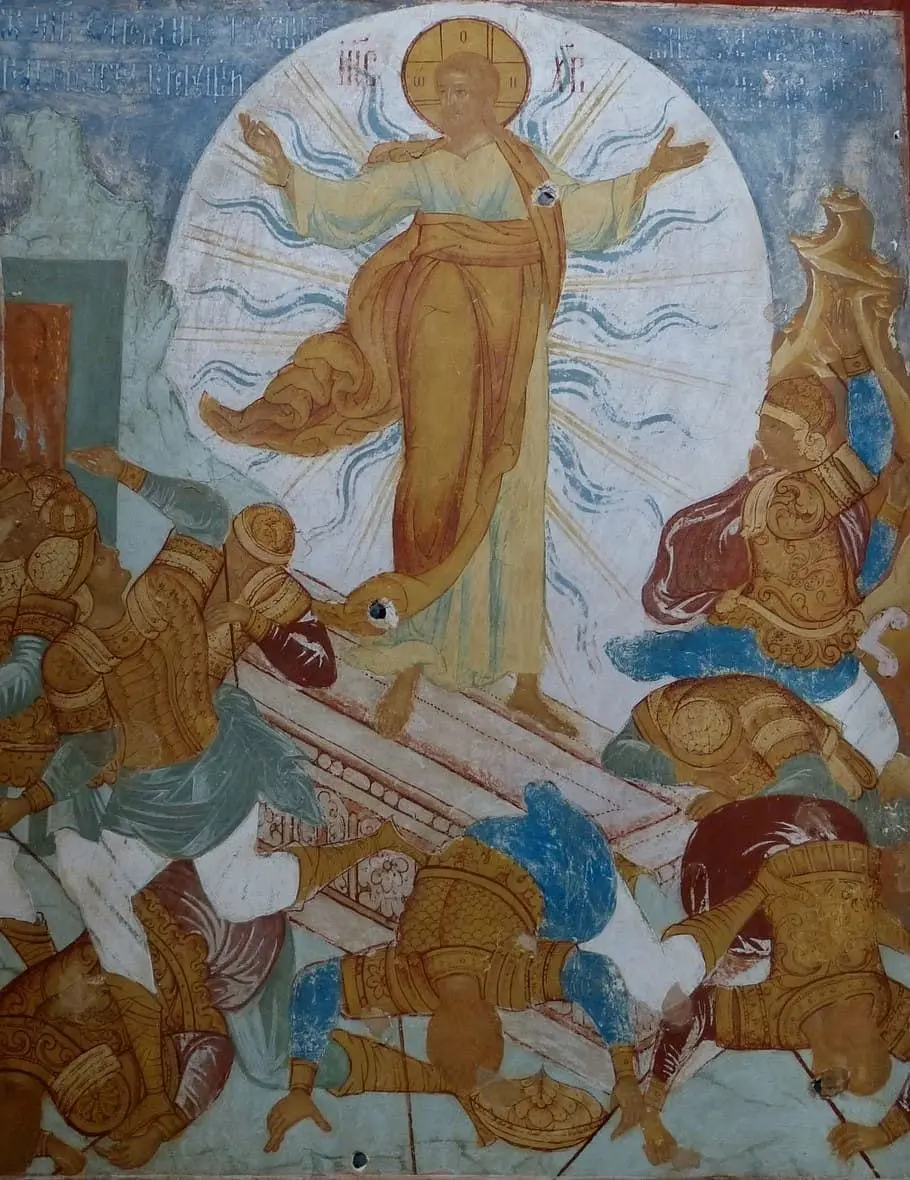
That Jesus says the world is to know this is significant. His obedience is not merely a private virtue or a spiritual achievement. It is a public testimony , a declaration inscribed into history through the events of his passion, death, and resurrection , that the principle which governs the inner life of the Godhead can govern the inner life of man. That a human being can love God so perfectly that he submits his own will entirely to God's, even unto death. That the kind of love which binds the Trinity together is accessible to man through the humanity of the Son. This is the hope that the second Adam offers to the race he came to redeem.
The Prince of This World and the Perfection of Christ
In the same passage, Jesus makes a statement that carries enormous theological weight: "the prince of this world cometh, and hath nothing in me" (John 14:30). This is not simply an assertion of Christ's sinlessness, though it certainly is that. It is a disclosure of why Satan's assault on Jesus, however relentless, could gain no purchase. To have something in a man is to have found a fault , a point of entry, a vulnerable seam in the moral fabric. Satan's power against human beings consists precisely in finding those seams: resentment, pride, lust, fear, the self-interest that is always willing to place its own comfort above the will of God.
The writer to the Hebrews confirms this: Jesus was "in all points tempted like as we are, yet without sin" (Hebrews 4:15). Every avenue that Satan routinely exploits in the human soul was explored, probed, and tested in the life of Christ , and every one was found impenetrable. Not because Jesus was untouched by the human condition, not because temptation was not genuinely temptation for him, but because his love for the Father was so absolute, so total, that no competing desire could displace it. The prince of this world came and found nothing , no resentment to inflame, no pride to flatter, no secret self-interest to bribe. Love had occupied every room in the house, and there was no vacancy for the enemy.
The practical implication is sobering. When we examine our own lives and count the number of times we have yielded to temptation , to anger, to lust, to bitterness, to pride , we are forced to acknowledge that by any honest reckoning, the enemy has scored frequently and decisively against us. The teaching does not soften this. It insists that we are failures in this regard, and that this humbling recognition ought to preclude any sense of spiritual superiority over others. But the same recognition points us toward the remedy. We have yielded not because we were insufficiently instructed, not because the temptations were uniquely powerful against us, but because we did not love God with sufficient intensity to resist. The power to resist sin comes from loving God.
Love as the Chief Duty of Man
The Commandment Declared: John 15 and the Structure of Obedience
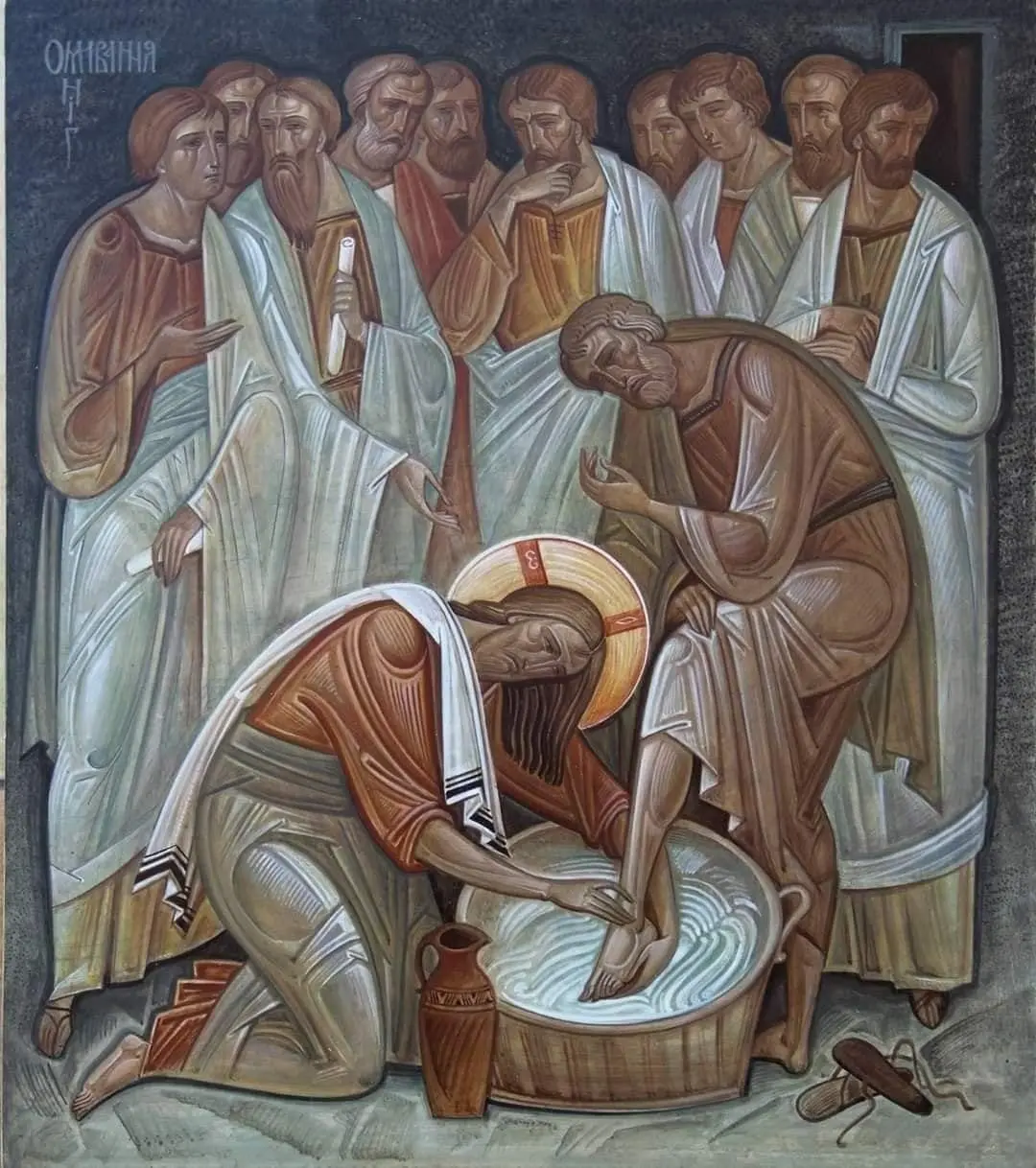
The fifteenth chapter of John's Gospel contains the explicit commandment that the teaching identifies as the chief duty of man: "These things I command you, that ye love one another" (John 15:17). This commandment does not stand in isolation. It is embedded in a discourse about abiding in Christ, about fruitfulness, about the relationship between the disciples' love for one another and the Father's love for the Son. The architecture of the passage is deeply Trinitarian: the Father loves the Son; the Son loves the disciples as the Father loved him; the disciples are commanded to love one another as the Son loved them. Love flows from the Trinity outward into human community, and human love is meant to reflect back, in created and finite form, the uncreated love of the Godhead.
The thirteenth verse of that chapter offers the measure of this love: "Greater love hath no man than this, that a man lay down his life for his friends" (John 15:13). The ultimate expression of love is the surrender of life , and behind the surrender of life lies the surrender of will, for life is the total expression of the will in all its powers. To lay down one's life is to relinquish everything one wants, everything one was striving for, everything one called one's own. This is precisely what Christ did in Gethsemane and on Golgotha. And it is precisely what Adam refused to do in Eden. Adam chose his own life over the commandment. Christ chose obedience to the commandment over his life. The difference is love.
Verse ten of that same chapter ties the logic together with crystalline clarity: "If ye keep my commandments, ye shall abide in my love; even as I have kept my Father's commandments, and abide in his love" (John 15:10). Continuance in the love of God is defined by continuance in his commandments. This is not legalism , the imposition of external rules as the condition of a grudging divine acceptance. It is the disclosure of love's inner logic. Love always expresses itself in action congruent with the will of the beloved. The commandments of God are the articulated will of God. To keep them is to love him. To violate them is to choose oneself. There is no third option.
Agape and Phileo: The Dialogue of Peter and the Question of Love's Quality
The teaching draws on the post-resurrection dialogue between Jesus and Peter by the Sea of Tiberias (John 21:15–17) to illuminate the distinction between love as sentiment and love as ontological commitment. Three times Jesus asks Peter: "Lovest thou me?" The Greek text reveals a deliberate and significant movement in the dialogue. Twice, Jesus uses the word agape , the love of total self-giving, the love that characterises the inner life of the Trinity, the love that lays down its life for its friends. Twice, Peter responds with phileo , brotherly affection, the love of friendship and emotional warmth. Only on the third occasion does Jesus descend to Peter's level and use phileo himself, and it is at this point that Peter is grieved.
The dialogue exposes what is perhaps the most common confusion in Christian experience: the identification of love for God with the warmth of religious feeling. Peter genuinely felt something for Jesus. His grief at the denial, his impetuous plunge into the sea to reach the risen Lord, his emphatic protestations of devotion , all of these are real. But Jesus is asking for something different, something more costly and more complete. He is asking for agape: the love that subordinates the self entirely to the will of the beloved, that feeds his sheep when it would rather rest, that goes where it would rather not go (John 21:18), that ultimately lays down its life. Peter's phileo, however sincere, was not yet sufficient. It had limits. Agape has none.
Love as an Act of the Will
One of the most important and counter-cultural claims of this teaching is that love, in the sense in which God commands it, is not primarily an emotion. It is an act of the will. It is a decision, a choice, a commitment that is made and sustained regardless of what is felt at any given moment. The teaching puts it with admirable directness: you love someone because you will it. You decide it. You choose it.
This is not to say that genuine love produces no feeling , clearly it does, and the Scriptures celebrate the affective dimensions of love throughout. But feeling is not the foundation, and its presence or absence does not determine the presence or absence of love. A man who has been married for forty years does not love his wife less on days when he feels nothing than on days when his heart is full, provided his will is still committed to her good. A Christian who prays on a cold, dark morning when no sense of God's presence can be felt loves God no less than in the moments of sweet consolation, provided the prayer is offered in faithful obedience.
This understanding liberates the Christian from the tyranny of spiritual feeling as the measure of spiritual health. It also makes intelligible the divine command to love enemies (Matthew 5:44). If love were fundamentally an emotion, commanding a man to love his enemy would be as absurd as commanding him to feel happy about his suffering. But if love is an act of the will , the choice to will the good of another, to pray for them, to treat them with dignity and to seek their redemption , then it can be commanded, and it can be practised even in the absence of any corresponding affection. Jesus commands it because it is possible. It is possible because it is a function of the will. And the will can be trained, strengthened, and oriented toward God through the very practice of obedience.
Pride as the Antithesis of Love
The teaching identifies pride as the theological antithesis of love, and this identification is crucial to understanding the full anatomy of the fall. Pride is the inordinate orientation of the self toward itself. It is the soul's election of its own good above the good of God and neighbour. It is, as the tradition has always maintained, the root sin from which all others spring , not because pride is simply arrogance or vanity in the ordinary sense, but because pride represents the fundamental posture of a will that has closed itself to the other and chosen itself as its own supreme reference point.
Love, by contrast, is inherently ecstatic in the Greek sense of the word: it moves the self outward, beyond itself, toward God and toward the neighbour. Love is the soul's capacity to be genuinely interested in, genuinely committed to, and genuinely joyful in the good of another. Where love is present, the self is freed from the exhausting and ultimately futile project of self-construction and self-defence. Where pride reigns, the self is imprisoned within its own agenda, and every relationship , with God, with others, even with oneself , becomes instrumentalised in the service of that agenda.
The fall of Adam, understood in these terms, was a triumph of pride over love. The serpent appealed precisely to pride: "ye shall be as gods" (Genesis 3:5). The desire to be one's own ultimate authority, to determine for oneself what is good and what is evil, to be autonomous in the root sense of the word , self-legislating , is the desire of pride. And Adam yielded to it not because he was morally weak in some generic sense, but because the love of God was not present in him in sufficient measure to resist the appeal to self-elevation. Pride entered the space that love had left vacant.
The Practical Dimensions of Love
Marriage, Relationship, and the Domestic School of Love
The teaching does not allow the principle of love to remain at the level of abstract theology. It descends immediately into the concrete arena of human relationships, and nowhere more directly than in its discussion of marriage. Marriage, the teaching insists, is the institutional commitment to love a particular person permanently , not as a consequence of sustained feeling, but as a covenant of the will. The marriage vow is precisely the public declaration that one has chosen, and will continue to choose, the good of this specific other person, through all the changes of circumstance and feeling that a lifetime will bring.
This means that the interior transformation wrought by faithful marriage , the dying to self, the learning to will another's good above one's own, the patient endurance of imperfection, the growth in understanding and compassion , is not merely a social or relational achievement. It is a spiritual one. It is the domestic school of love in which the abstract commandment to love becomes concrete, costly, and formative. The man or woman who succeeds in genuinely loving their spouse has learned something of the love that God commands, and is in that measure closer to the perfection for which man was created.
Loving Enemies and the Universality of the Commandment
The commandment to love does not stop at the boundaries of sympathy, family, or community. Jesus is explicit: "Love your enemies, bless them that curse you, do good to them that hate you, and pray for them which despitefully use you, and persecute you" (Matthew 5:44). The teaching takes this commandment with full seriousness. It is not offered as a counsel for the spiritually advanced but as the logical extension of the principle that love is the will of God for all human relationships.
The reasoning Jesus gives is characteristically penetrating: "For if ye love them which love you, what reward have ye? do not even the publicans the same?" (Matthew 5:46). Love that is merely reciprocal , love that functions on the ordinary human principle of returning what is given , is not the love of the kingdom. It is not the love that characterises the inner life of the Trinity, for God loves those who are opposed to him, as the entire history of divine salvation makes clear. To love an enemy is not to pretend that their enmity does not exist, nor to endorse their hostility. It is to will their good , their ultimate good, which is their redemption , despite the hostility. It is love operating at the level of the will rather than the level of feeling, and it is the most demanding expression of the principle that the teaching sets before us.
Repentance as the Evidence of Love
One of the most pastorally rich observations in the teaching concerns the meaning and significance of repentance. When a Christian sins and falls , as all Christians do , the act of immediate repentance is itself a disclosure of love. The person who sins and then, in shame and grief, turns immediately back to God without hiding, without rationalising, without delaying, is demonstrating that though the will was weak at the moment of temptation, the heart's orientation toward God remains. The fall was a failure of love in the moment. The repentance is an expression of love in the aftermath.
This is significant because it means that repentance is not merely the mechanism by which forgiveness is obtained. It is the signal of a soul that still cares , a soul for which God still matters, still registers, still commands loyalty even after the loyalty was momentarily broken. The teaching puts it well: what does it prove that a man who has sinned can fall on his knees before God in his shame and expose himself bare? It proves that the heart for God is there. And it is from that heart , however wounded, however inconsistent, however beset by weakness , that God begins to reconstruct, heal, remould, and restore.
The contrast is with those who sin and go their way without repentance , not because they are stronger than the repentant sinner, but because they care less. The absence of repentance is not evidence of greater sophistication or freedom. It is evidence of a diminished love for God, a heart in which he does not register with sufficient weight to generate the grief that becomes repentance. The greater the love, the greater the anguish of the fall; and the greater the anguish of the fall, the more urgent and wholehearted the return.
The Sacramental Life as Participation in Divine Love
The teaching concludes its homiletical portion with the administration of the Eucharist, and this is not incidental. The Holy Eucharist is the sacrament in which the Church participates mystically in the body and blood of Christ , in the life of the one who demonstrated total obedience to the Father through total love for the Father. To receive the Eucharist is to declare one's participation in that love, one's union with that sacrifice, one's commitment to the same principle of life that animated the Lord's own earthly existence.
The teaching situates the Eucharist within the ancient priestly tradition: the bread and wine are brought as Melchizedek brought them (Genesis 14:18), offered before the Father as the sacrifice of the incarnate Logos, consecrated by the authority of the bishop and the apostolic succession, and received as the bread of heaven and the blood of life. The mystical reality of the Eucharist is that in receiving it, the communicant receives not merely a memorial of Christ's death but a share in the life that his death made possible , the life of love, of submission to the Father, of union with the Trinity.
This eucharistic frame places the entire teaching within the context of the Church's sacramental life and reminds the hearer that the transformation the teaching calls for is not achieved by moral resolution alone. It is the work of God within the soul, nourished by word and sacrament, sustained by prayer and community, and oriented always toward the eschatological goal of perfect union with the life of the Trinity.
The Eschatological Goal: Attaining to the Oneness of the Trinity
The teaching reaches its most expansive claim when it speaks of what God purposes for man as the final end of his existence: that man should attain to the oneness of the Trinity. This is the language of theosisTheōsisNot that we become God by nature, but that by grace we are drawn into His life: “partakers of the divine nature” (2 Peter 1:4). , the Eastern theological tradition's term for the process by which the human person, without ceasing to be human, is progressively conformed to and united with the divine life. It is the tradition that runs through the Cappadocian Fathers, through Maximus the Confessor, through Gregory Palamas, and through the great hesychastic tradition of the Church. It is what Athanasius meant when he wrote that God became man so that man might become God , not by confusion of natures, but by participation in divine life through grace.
To attain to the oneness of the Trinity is to attain to the perfection of love. For the oneness of the Trinity is love , the love that binds the Father, Son, and Holy Spirit in eternal, unbroken communion. When man reaches the fullness of love , when the love of God so permeates his will that he desires nothing contrary to God's will, when his horizontal relationships are governed by the same selfless charity that governs the divine life , then the image in which he was created is restored to its full clarity, and God is glorified in his creation.
This eschatological horizon gives the entire teaching its true proportion. The question of love for God is not merely a question about how to live a better life or how to improve one's relationships or how to overcome particular sins. It is the question of man's ultimate destiny. It is the question of whether the human person will, in the fullness of time, be found worthy of the eternal communion for which he was designed. Love is not one virtue among many. It is, as the Apostle Paul declares, the greatest of all (1 Corinthians 13:13) , the bond of perfectness (Colossians 3:14), the fulfilling of the law (Romans 13:10), and the nature of God himself. To love God is to begin to share in what God is. To grow in love is to draw nearer to the eternal life that is the goal of all creation.
Love , The One Thing Necessary
The teaching examined in this essay proposes, with theological rigour and pastoral urgency, that the fundamental problem of human existence is not complexity but simplicity: the absence of love. Behind every act of disobedience lies the same ontological deficit that was present in Eden. Behind every shattered relationship, every moral collapse, every departure from God's will, there is a failure of love , not in the sentimental sense, but in the structural, volitional, and ultimately theological sense. Man was created to reflect the love of the Trinity. When he does not, he disintegrates.
The diagnosis offered here is not designed to produce despair but to enable accurate treatment. When we understand that the root cause of human sin is the absence of love for God, we understand what the remedy must be. Not more rules, not more religious activity, not more self-improvement programmes, but the cultivation of love , a love that is chosen, practised, strengthened through obedience, deepened through prayer, nourished through the sacraments, and expressed in every relationship and every circumstance of life.
Jesus Christ, as the second and last Adam, has given us both the diagnosis and the cure. In Gethsemane he showed us what Adam lacked. In John 14:31 he declared the principle by which he lived: "I love the Father; and as the Father gave me commandment, even so I do." In John 15 he commanded his disciples to live by the same principle: "These things I command you, that ye love one another" (John 15:17). In his passion and death he demonstrated the ultimate form of that love , the total surrender of self for the good of the Father and of those the Father loved.
The chief duty of man, therefore, is not a burden but an invitation. It is the invitation to enter into the very life of the Godhead , to share in the love that has bound Father, Son, and Holy Spirit together from all eternity, and that will bind them together for evermore. Every step toward that love is a step toward perfection. Every act of obedience motivated by love rather than duty or fear is a step toward the oneness of the Trinity. Every repentance, however painful, is a step back toward the light. And every day in which a man or woman chooses, however imperfectly, to love God above themselves is a day in which the image of God in man is restored to a little more of its original glory.
Love God. Love yourself. Love your neighbour. This is the whole law and the prophets (Matthew 22:40). This is the chief duty of man. And if love covereth a multitude of sins (1 Peter 4:8), then love, pursued with perseverance and grace, will bring man at last to the perfection for which he was made , the eternal peace, the eternal communion, the eternal life that is nothing other than the unending enjoyment of God himself, who is love.
Based on the teaching: The Mystery of the Holy Trinity as a Template for Understanding Human Life and Achieving Spiritual Perfection