The High Priest & Throne of Grace
The Necessity of Divine Presence
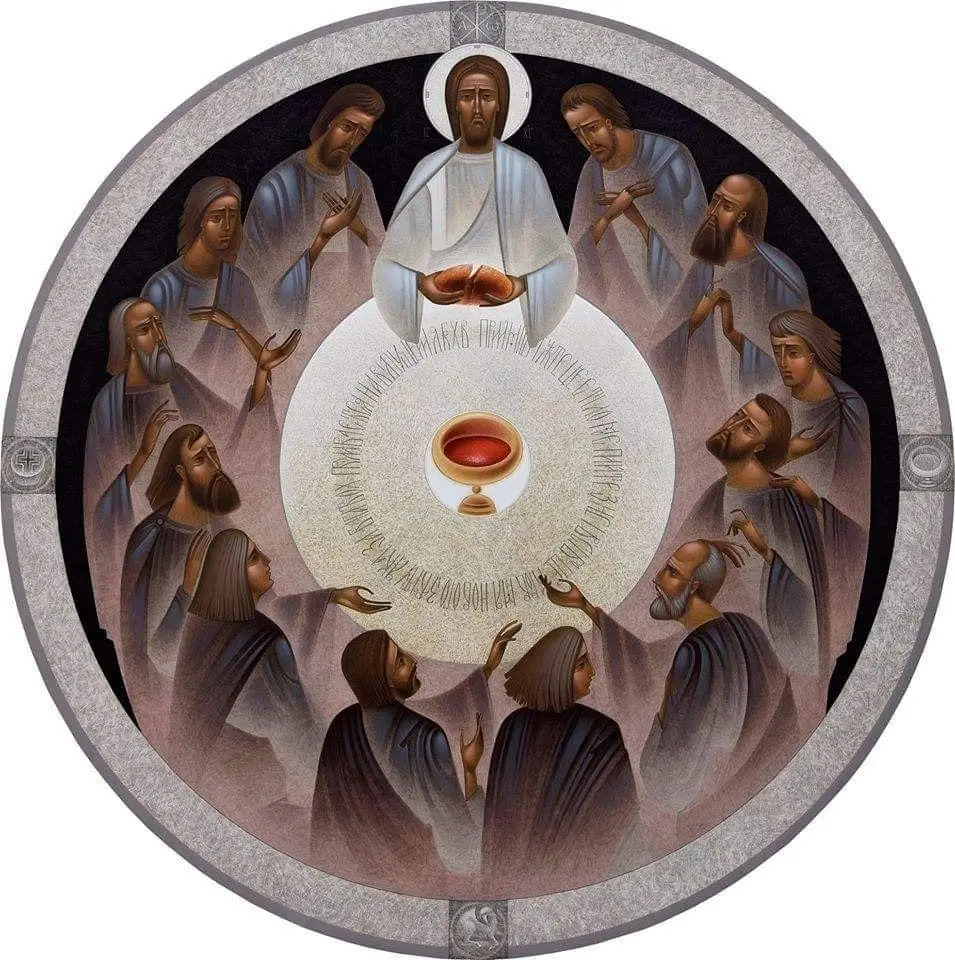
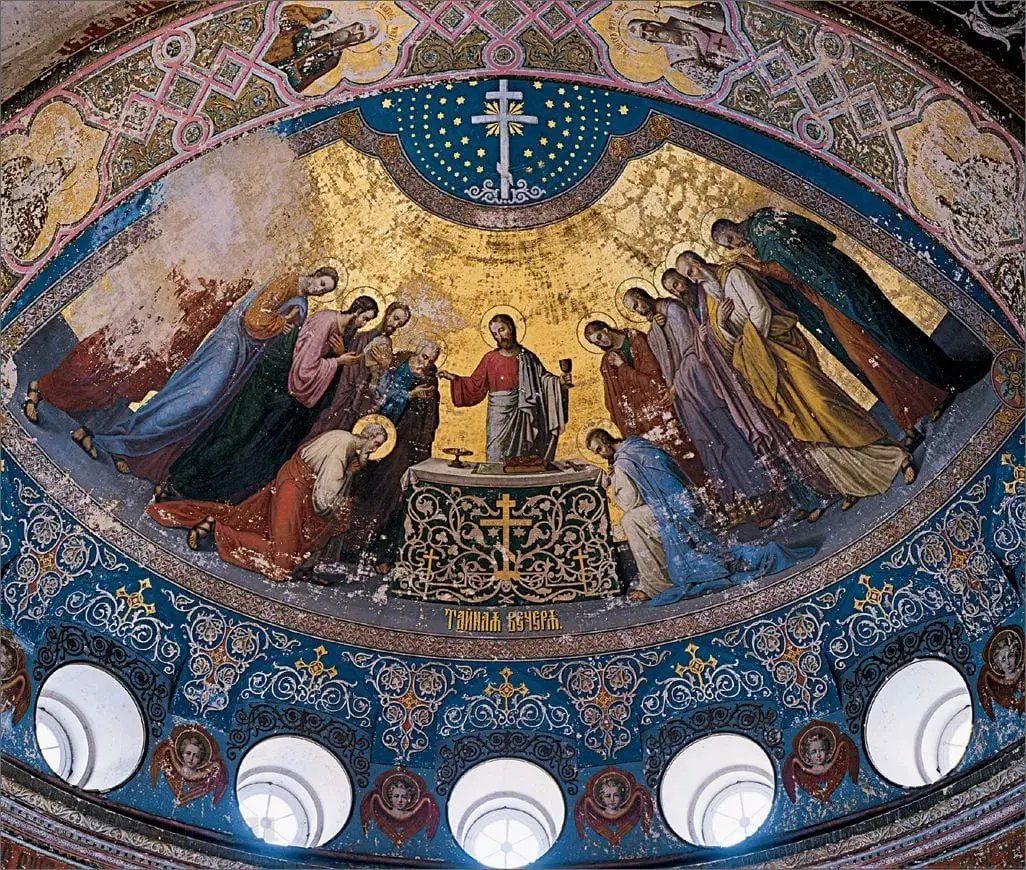
The congregation of the saints is not a sociological phenomenon or the habitual gathering of like-minded individuals. It is the fundamental liturgical synaxis — the primary and essential place where the presence of the Almighty is both promised and ontologically real. To grasp the strategic importance of this gathering, the modern believer must first shed the garment of individualism that so pervades contemporary religious thought. Assembling together is not a communal luxury; it is a spiritual necessity, vital for the very survival, sanity, and interior health of the human soul. It is within this sacred community that the assurance of Divine presence is actualized, fulfilling the covenantal promise of our Lord: "For where two or three are gathered together in my name, there am I in the midst of them" (Matthew 18:20). Without this gathering, the soul risks a slow and irreversible atrophy — a desiccation that comes from prolonged exposure to a world increasingly estranged from its Creator.
The thesis of this essay rests upon an ontological reality: the believer's access to God is never a self-generated ascent but is strictly and exclusively mediated through the person and ministry of the Great High Priest, Jesus Christ. This access demands a radical shift in consciousness — a transition from a mind tethered to material contingency and fleshly things toward what we might call a "high appraisal" of the Divine. To seek God is to recognize that our spiritual health is defined entirely by the degree to which we experience His uncreated presence. We do not gather to discuss God as an object of history; we gather to encounter Him as the living Subject of our existence. As we invoke the name of the Holy Trinity — Father, Son, and Holy Spirit — we set the theological boundaries of our discourse, acknowledging that the Triune God is the source, the sustainer, and the ultimate end of our collective yearning.
At the deepest level, we must distinguish between the ephemeral allure of the material world and the enduring reality of being "God's purchased possession." The presence of God is the living water and the living bread uniquely dispensed within the sacred assembly. This is not a matter of intellectual assent alone but of vital participation. We move from the external act of gathering to an internal recognition of our status as the property and instruments of the Living God. The synaxis is the threshold where the temporal meets the eternal, where the material world is offered back to the Creator in a sacrifice of praise. It is here, in the midst of the saints, that the soul is recalibrated to perceive the sweetness and beauty of communion that transcends the noise of the fallen world.
Spiritual Health and the Kinetic Energy of God
To engage meaningfully with the Divine, the believer must first undergo a rigorous recalibration of perception. It is of strategic importance to view God outside the restrictive and corruptible frame of fleshly, worldly, and material things. If our perception of the Divine is filtered through the lens of material lack or physical limitation, we will fail to encounter Him as He truly is. God is not a material object to be manipulated by human will; He is the Uncreated Source of all that exists. Spiritual health, therefore, is not merely the absence of physical infirmity but the dynamic presence of Divine life within the human vessel. When we contemplate God, we must move beyond the transactional — seeking Him not merely for "loaves and fishes" — and instead pursue the beauty of communion found within the assembly of the faithful.
The presence of God is characterized by what we may call kinesis — a kinetic energy that is perpetually active, transformative, and penetrative. In the biblical narratives of Luke chapters 5 and 18, we observe this energy in its most potent and disruptive form. In the former, as Jesus preached the Word, we are told that "the power of the Lord was present to heal." This is a crucial distinction: the presence of God acts as the definitive difference-maker in the face of human infirmity. It is not the building, the crowd, or the social standing of the attendees that matters, but the kinesis of the Uncreated. Whether it was the Pharisees in the house or the woman bound by a spirit of infirmity for eighteen years in the synagogue, the location was transformed into a place of katisa — a seat of restoration and healing — solely because of this kinetic intervention of the Divine.
The house of God, properly understood, is not a museum of religious relics but a laboratory of spiritual transformation. It is where the kinetic energy of God's power meets the collective faith of the saints. This transformation is not a magic act; it is the natural result of the Uncreated encountering the created. When the presence of God enters a space, the ontological status of that space is changed. It becomes a sanctuary — a place of healing — where the "back parts" of God's glory are glimpsed through the restoration of the broken. What separates the Church from a social club is precisely this kinetic energy, which seeks to loose those whom Satan has bound.
The foundation of this transformative relationship is rooted in our identity as the redeemed — the purchased possession. As the Apostle Peter articulates with authoritative clarity: "Forasmuch as ye know that ye were not redeemed with corruptible things, as silver and gold, from your vain conversation received by tradition from your fathers; But with the precious blood of Christ, as of a lamb without blemish and without spot" (1 Peter 1:18–19). We are not our own; we have been bought at an infinite price. This realization must foster a profound consciousness of the value of being in His presence. We are instruments for His pleasure, and our existence finds its deepest meaning in this belonging. Yet this state is not passive. It requires what the Fathers call nepsisNēpsisSobriety of soul: the guarding of the heart by which a life is brought under the governance of the Spirit. — a watchfulness, a stirring of oneself to seek the face of God. The presence is available, but it must be sought with a heart that refuses to be repelled by the distractions of the flesh, gravitating instead toward the One who holds the title deed to our souls.
The Knowledge of the Son: Accessing the Uncreated
The gateway to the Throne of Grace is paved with spiritual understanding — a faculty the Patristic tradition identifies as the nousNousThe faculty by which the human person perceives God. Healed, it sees; darkened, it wanders., the noetic faculty. It is essential to distinguish this faculty from mere intellectual or academic learning. Schools and books may furnish information about the world or even about God, but they cannot furnish "the understanding of the knowledge of the Son of God." This specific understanding is the prerequisite for accessing Divine Grace. Without a robust and lived Trinitarian framework — an experimental knowledge of the Father, the Son, and the Holy Spirit — the depths of Divine Grace remain inaccessible. We do not stumble into grace through luck or sentiment; we enter it through a spiritual knowledge that transforms the inner man and aligns the soul with the reality of the Uncreated.
This epistemic journey requires the cultivation of an appetite for God. We see this modeled in the life of David, who exhorted his own soul: "Bless the Lord, O my soul: and all that is within me, bless his holy name" (Psalm 103:1). David's practice of self-directed spiritual formation demonstrates that the soul must be taught to desire what is eternal. Our affections are naturally prone to latch onto the material, but through prayer and discipline, we redirect our yearnings toward the deep things of God. This appetite is the engine of spiritual progress, ensuring that our relationship with God is not built on the fluctuating conditions of this world — what we might call the terrain of fellowship — but on the consistency of the eternal. The soul must be immortalized in its desires, seeking that which neither moth nor rust can corrupt.
In seeking the face of God through the noetic faculty, the believer discovers eternal treasures that far outweigh the temporal possessions of this age. These treasures have three defining qualities. First, they are incorruptible — laid up in the heavens where "neither moth nor rust doth corrupt, and where thieves do not break through nor steal" (Matthew 6:20), immune to the decay that afflicts all material things. Second, they constitute divine knowledge — a transformative understanding of the Son of God that allows the believer to see the world and their own life through the lens of eternity. This is not information but illumination. Third, they produce consistency in fellowship — a relationship with the Uncreated that is not manipulated by temporal needs or earthly disappointments, remaining steadfast whether or not one's immediate material desires are met.
Ultimately, the internal state of the soul determines the external efficacy of prayer. When our affections are changed and our seeking is directed toward the Immortal, our prayers cease to be mere requests for material gain and become the means by which we engage with an Uncreated Being. This shift in posture ensures that our spiritual life is not a series of desperate reactions to worldly events but a settled residence in the presence of God. When the nous is illuminated, the believer recognizes that the difference-maker in life is not a change in circumstances but the presence of the One who transcends all circumstances.
Brokenness: Prayer Beyond Verbalism
True prayer is not defined by the magnitude or the length of the words uttered; it is defined by the state of the heart. The strategic importance of contrition and brokenness cannot be overstated, for these are the primary attractors of Divine Grace. The Lord is not moved by the worship of the lips when the heart is distant or self-satisfied. He is near to those of a broken heart and a contrite spirit. This brokenness is an ascetic posture — a refusal to hide behind religious pretenses and a willingness to tremble at the Word of God. It is in this state of vulnerability that the soul becomes compatible with the Divine will, stripped of the unruliness that characterizes the prayerless life.
Brokenness, in its most profound sense, is the acceptance of suffering on its own merits when one is in a predicament beyond human control. We see this exemplified in the figure of Job. Despite losing his possessions, his children, and his physical health, Job refused to curse God. His worship was not predicated on his prosperity but on the inherent worthiness of God. "The Lord gave, and the Lord hath taken away; blessed be the name of the Lord" (Job 1:21). This is the love that nothing can separate us from — not death, nor life, nor principality, nor power. When God becomes both the goal and the reward of life, irrespective of material lack or physical suffering, the soul has achieved a state of true spiritual brokenness. This is the ascesis of the heart that draws the gaze of the Almighty.
Central to this asceticism is the concept of Homologia — the confession or profession of the faith. This is not a mere recitation of dogma or verbal agreement with a creed; it is a foundational, cosmic alignment of the believer's voice with the Eternal Word. It is the answer to the perennial question: "But whom say ye that I am?" (Matthew 16:15). When Peter confessed, "Thou art the Christ, the Son of the living God," he established the chief homologia of the Christian. This profession must be held fast, for it is the bedrock upon which our spiritual life is built — the recognition that Jesus is the Son of God — and it must remain unwavering regardless of the trials, the cups of sorrow, or the material deficiencies we face.
This homologia leads us directly to the role of Jesus Christ as High Priest. Our confession is not maintained by our own innate ability or willpower; it is secured by the One who is the "Apostle and High Priest of our profession." Our words gain efficacy and our souls find stability because Christ Himself mediates our confession before the Father. He is the guarantor who ensures that our profession will not fail, bridging the distance between our brokenness and the infinite mercy of the Throne of Grace. When we speak the name of Christ in contrition, we are not speaking into a vacuum; we are aligning ourselves with the High Priest who has already entered the sanctuary on our behalf.
The High Priest
The theology of access is fundamentally Christological. According to the Epistle to the Hebrews, the high priestly ministry of Christ is the cornerstone of the believer's confidence: "Seeing then that we have a great high priest, that is passed into the heavens, Jesus the Son of God, let us hold fast our profession" (Hebrews 4:14). This "passing into the heavens" is not a mere change of location; it signifies that Christ has entered the true sanctuary — the very presence of the Father — where He serves as the eternal representative of humanity. He is not a distant, disinterested deity, but a mediator who is "touched with the feeling of our infirmities" (Hebrews 4:15). This dual nature — being fully Divine yet having experienced the full spectrum of human temptation, sorrow, and physical limitation — makes His ministry uniquely efficacious and sympathetic.
The excellency of Christ lies in His ability to function as both our representative and our guarantor. In the ancient Levitical system, the high priest was "taken from among men" (Hebrews 5:1) to offer gifts and sacrifices for sins. But Christ is the "Apostle and High Priest of our confession" (Hebrews 3:1), a superior ministry that does not merely cover sin but secures the believer's standing before God. As we hold fast to our confession on earth, He secures it in the heavens. Our confidence does not rest in our own performance, our own ability to remain faithful, or our own merit. It rests in the perfection of a High Priest who cannot fail. Because the Son of God cannot fail in His ministry, the confession we hold in His name cannot fail. He offers our petitions, our supplications, and our very lives before the Father as a sweet-smelling savor.
This Christological reality grants the believer a boldness of entrance. We are commanded: "Let us therefore come boldly unto the throne of grace, that we may obtain mercy, and find grace to help in time of need" (Hebrews 4:16). This boldness is not an act of human arrogance or psychological bravado. It is an objective confidence grounded in the representative nature of the Man Christ Jesus. We enter because He has already entered. We have a representative before the Father who possesses a sympathetic understanding of our plight — One who has navigated the path of human suffering and temptation before us and now stands as the guarantor of our access to the Divine presence. It is His righteousness, His victory, and His mediation that provide the clear passage into the holy of holies.
The superiority of Christ's ministry becomes clear when we compare the "high priest taken from among men" of Hebrews 5 with the "Apostle and High Priest" of Hebrews 3. The former was subject to infirmity and had to offer sacrifices for his own sins; Christ, though tempted in all points as we are, remained without sin. His ministry is heavenly in origin and eternal in duration. He is the anchor of the soul — the One who takes our broken homologia and perfects it in the presence of the Father. It is this superior ministry that transforms the Throne of Judgment into a Throne of Grace, where the uncreated energies of God are dispensed not as a reward for human effort but as a gift to those who come in the name of the Son. Through Him, the distance between the Uncreated God and the created man is bridged, and we are invited to participate in the very life of the Trinity.
The Uncreated Energies of God: Participating in the Divine Goodness
Grace, as understood within this theological framework, is far more than a legal standing or a generic benevolence. It is the uncreated energy of God — divine ability conferred upon the human being, an impartation of God's own power that allows a person to achieve what is otherwise humanly impossible. Grace is charisma: the influence of Divine energy upon the heart, the difference-maker that enables a finite, created creature to participate in the life and works of the Infinite. This grace is not a created substance; it is God Himself in His energy form, reaching out to sustain, empower, and divinize His creation. To understand grace is to understand that God is not only transcendent in His Essence but also radically immanent through His Energies.
A classic Patristic metaphor illuminates this distinction. The sun itself, in its core essence, remains at an immeasurable distance — too fierce and too remote to be approached directly. Yet its rays, heat, and light proceed from it and fill the earth. These rays are not "the sun" in its essence, yet they are truly of the sun and possess its properties. Similarly, the uncreated energies of God proceed from the inaccessible Divine Essence. We see this in the encounter between Moses and the Lord in the book of Exodus. When Moses asked to see God's glory, he was told that no flesh could see the Face of God and live. Instead, God hid him in the cleft of the rock and allowed His "back parts" and His "goodness" to pass before him (Exodus 33:18–23). This goodness is God in energy form — the uncreated rays of His being that can be experienced, felt, and received by the believer without the soul being consumed by the inaccessible Divine Essence.
Within this economy of grace, a vital distinction must be drawn between mercy (eleison) and grace (charisma). Mercy is the Divine kindness and pity extended to us in our state of failure, sin, or past transgression — the "Lord Jesus Christ, have mercy on me" that addresses our fallen condition and our need for forgiveness. Grace, however, is the help in time of need: the supernatural capacity to act, to endure, to witness, and to overcome. We obtain mercy for the past, but we find grace for the present and the future. Grace is the accomplishing agency of God that capacitates the soul for the tasks laid before it — the divine ability that bridges the gap between our human lack and the divine requirement.
The effects of this great grace were clearly visible in the lives of the Apostles. It was not through their own native intelligence, social standing, or physical strength that they "turned the world upside down," but through the uncreated energy dispensed from the Throne. This grace produced supernatural capacity — enabling men like Peter to heal through his very shadow and Paul to work mighty miracles surpassing all natural explanation. It furnished the unshakeable boldness necessary to testify of Christ's resurrection even in the face of persecution and martyrdom. And it provided for the accomplishment of divinely appointed missions that were humanly impossible, supplying whatever the saints lacked.
The invitation to the Throne of Grace is therefore an invitation to harness these uncreated energies. Whatever the material or physical nature of our need, what we truly require is the grace that helps. By persevering in prayer and aligning the soul with these uncreated rays of Divine life, the believer moves beyond a merely material existence into a participatory life in God. We do not simply ask for things; we ask for the Energy that created all things to rest upon us.
Perseverance and the Alignment of the Will
The reception of Divine Grace is intimately tied to what we might call the synchronicity of the soul — a synchronicity achieved through persistent, ardent prayer. It is not enough to state a request; one must persevere until the human will is fully aligned with the Divine LogosLogosThe eternal Word of God, through whom all things were made, who became flesh and dwelt among us (John 1:1–14).. Prayer is the wings by which the soul reaches a place of settlement and peace. Without this persistent engagement, the soul remains unsettled, diseased, and sorrowful, prone to the unruliness of a heart that seeks its own way. The model for this alignment is found in the Garden of Gethsemane, where Christ Himself, in His human nature, experienced the ultimate tension between human sorrow and Divine purpose. His declaration — "My soul is exceeding sorrowful, even unto death" (Matthew 26:38) — reveals that even for the Son, the path to the Cross required a total settlement of the human will through prayer.
We must recognize that prayerlessness is unruliness. A soul that does not pray is a soul that remains incompatible with the will of God, often concealing its rebellion beneath the surface of outward piety. In Gethsemane, Jesus prayed the same prayer again and again. This repetition was not for God's benefit — as though the Father were deaf or forgetful — but for the synchronicity of the soul itself. It was the process by which the human will was strengthened to follow God even unto death. Through this persistent prayer, the rebellion of the flesh is gradually settled, and the soul is enabled to embrace a Divine will that may hold no material pleasantness. The goal of prayer is not to change God's mind but to change the human heart, until it can authentically say, "Nevertheless not as I will, but as thou wilt" (Matthew 26:39).
This process of alignment leads to a state of illumination and settlement, where the believer discovers that spiritual understanding is more vital than the resolution of material circumstances. We see this in the reflection of the Psalmist: "Thou shalt guide me with thy counsel, and afterward receive me to glory. Whom have I in heaven but thee? and there is none upon earth that I desire beside thee. My flesh and my heart faileth: but God is the strength of my heart, and my portion for ever" (Psalm 73:24–26). This is the ultimate expression of a soul that has been settled through prayer. In this state, the lack of material goodness is rendered irrelevant by the possession of God Himself. The soul finds its peace not in the removal of the cup but in the presence of the One who holds it. This is the perfect peace promised to those whose minds are stayed on Him.
Perseverance is essential because God often seeks to change the person before He changes the outcome. The continued heartfelt prayer of the righteous man is the labor of the soul coming into agreement with God. This synchronicity is the prerequisite for the dual recompense promised to those who have done the will of God and suffered for a season. By following the example of Christ — who knelt a stone's cast away to resolve the matters of destiny on His knees — the believer finds the strength to endure and the grace to overcome the inherent rebellion of the flesh. In the end, prayer is the means by which we are transformed from unruly children into partakers of the heavenly calling.
The High Priestly Ministry
The theological journey from the gathering of the saints to the Throne of Grace reveals a profound and encompassing reality: the Christian life is a participation in the uncreated life of God, mediated by the Great High Priest. We gather in the name of the Holy Trinity not as a social exercise but to enter the locus of Divine presence, where the kinetic energy of God is available for our restoration. We are God's purchased possession, redeemed by the precious blood of the Lamb, and our identity is defined by this sacred belonging. Our survival and our health are not found in the material world but in the sweetness of communion found in the house of God.
The central imperative of this discourse is this: the ultimate goal of the Christian life is to find God as the strength of the heart and one's portion forever, irrespective of material conditions. We do not seek Him merely for what He can give, but for who He is. The Great High Priest, Jesus the Son of God, stands as the guarantor of our access and the representative of our infirmity. Through Him, we come boldly to obtain the mercy that covers our past and the grace — the uncreated energy — that empowers our present. This grace capacitates us to perform mighty works and to endure the Gethsemanes of our own lives with joy and peace.
The reception of this grace requires an asceticism of brokenness — a heart that trembles at the Word and a soul that has been taught to hunger for the eternal. It requires a persistence in prayer that settles the rebellion of the will and brings us into synchronicity with the Divine purpose. Whether we are in prosperity or in lack, whether the cup of suffering passes or remains, the presence of God is our primary and absolute necessity. We must learn to pray beyond words, engaging the heart and the soul in a relentless pursuit of the Divine.
As we navigate the complexities of this world as pilgrims searching for a city whose builder and maker is God, we are anchored by the peace that "passeth all understanding" (Philippians 4:7). This peace is not the absence of conflict but a garrison for the heart that has successfully navigated the Throne of Grace — the fruit of a soul that has found its place in God and been illuminated by the Holy Spirit. May we hold fast our profession without wavering. May we stir ourselves up to seek His face while He may be found. And may the uncreated energies of the Almighty strengthen us to follow Him even unto the end, finding in Him our salvation, our strength, and our eternal reward.
In the name of the Father, and of the Son, and of the Holy Spirit. Amen.